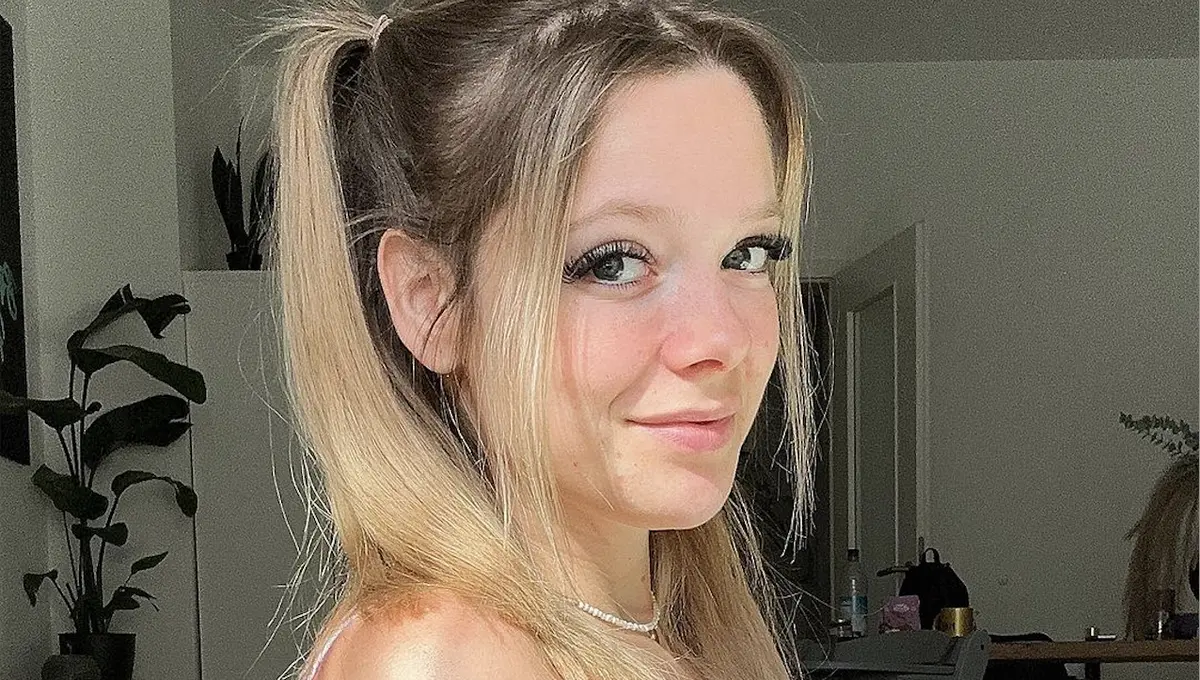
The name Anne Wünsche Fapello has been circulating widely in recent months — not only because of her role as a prominent German influencer, but also due to the buzz around her alleged connection with the platform Fapello. In this article, we’ll explore how Anne Wünsche’s career, personal brand, and the topic of Fapello intersect — and what that tells us about visibility, privacy and influence in the social-media age.
From her early beginnings on television to her transformation into a digital entrepreneur, the story of Anne Wünsche and the keyword “Fapello” offers insight into the complex world of modern online fame — its opportunities, its risks, and the questions it raises about agency and image.
Bio Section
| Item | Details |
|---|---|
| Name | Anne Wünsche |
| Born | 26 August 1991 (in Cottbus, Germany) |
| Profession | Actress (former), Influencer, YouTuber, Entrepreneur |
| Children | Two daughters and one son (with partner Karim El Kammouchi) |
| Known for | Role in TV-series Berlin – Tag & Nacht, large social-media presence, open lifestyle content |
Table of Contents
Anne Wünsche Fapello
The phrase “Anne Wünsche Fapello” essentially links Anne Wünsche’s public persona to the platform Fapello. Fapello is known as a space where exclusive, often adult-oriented or “leaked” content can be shared, which has provoked both curiosity and concern. For Anne Wünsche, the association with Fapello is not fully verified — as several reports point out, “there is no official confirmation that she voluntarily posts content on Fapello.”
Nevertheless, the buzz around “Anne Wünsche Fapello” reflects how influencer branding, digital content strategy and personal privacy collide. On one hand, visibility and monetisation in the influencer economy; on the other, the potential loss of control when content is shared or repurposed beyond one’s intention. These dynamics shape both the opportunities and vulnerabilities that digital creators like Anne Wünsche face.
Early Life and Background
Anne Wünsche grew up in Cottbus, Germany, and made early inroads into media work. According to her own comment, she was born and raised in Cottbus. Her breakthrough came via the German reality soap Berlin – Tag & Nacht, where she played the character “Hanna Fischer” starting around 2011.
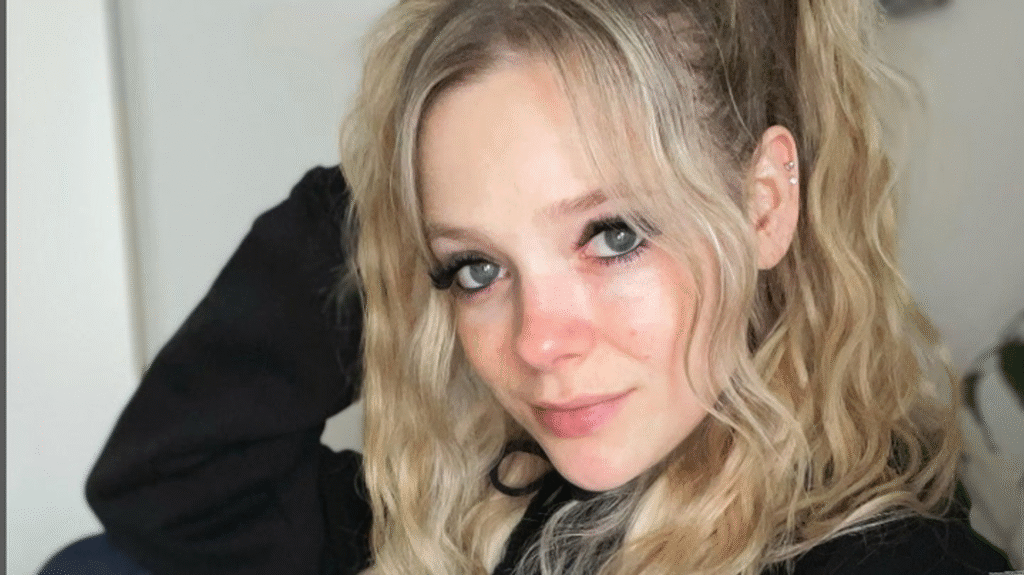
This experience on television gave her initial public recognition and helped her transition into the world of social media and influencer marketing. From the start, her background reflects a hybrid of traditional media and new media influence — a combination that would become important as her career evolved.
Career and Professional Journey
After her time on television, Anne Wünsche made a decisive shift into social media. Her follower-numbers on platforms like Instagram, TikTok and YouTube consistently climbed. For example, in December 2021 she announced surpassing one million TikTok followers.
She developed her brand around lifestyle, motherhood, beauty, travel and personal authenticity. At the same time, she built business partnerships, launched content formats and leveraged her audience for entrepreneurship. Her professional journey illustrates the broader transition from “TV star” to “digital brand” — and the importance of diversifying one’s presence across platforms.
The connection to Fapello (or at least the speculation around it) forms another layer of her professional narrative: it underscores how content creators explore alternative monetisation channels — and how these channels can bring both opportunity and reputational risk.
Achievements and Recognition
Anne Wünsche has earned recognition for several milestones: achieving massive follower counts, building a loyal community, successfully monetising her digital presence, and branching into other ventures.
She has been featured in media articles analysing her influence, her income and her brand strategy. For instance, she publicly revealed substantial monthly incomes from her content-business.
Moreover, she has used her platform to speak about authenticity, motherhood, digital challenges and self-image — resonating with many followers who appreciate her candid style. Whether one agrees with her choices or not, her visibility and reach are significant, making her a noteworthy figure in the German influencer landscape.
Personal Life and Lifestyle
On a personal level, Anne Wünsche is mother to three children and has spoken openly about the demands of family life, social-media exposure and self-care. Her lifestyle (travel, content production, brand collaborations) is frequently on display — which both fuels her appeal and invites scrutiny. For example, she openly commented on the fact that she currently has little time for traditional friendships because her life is dominated by career and family.
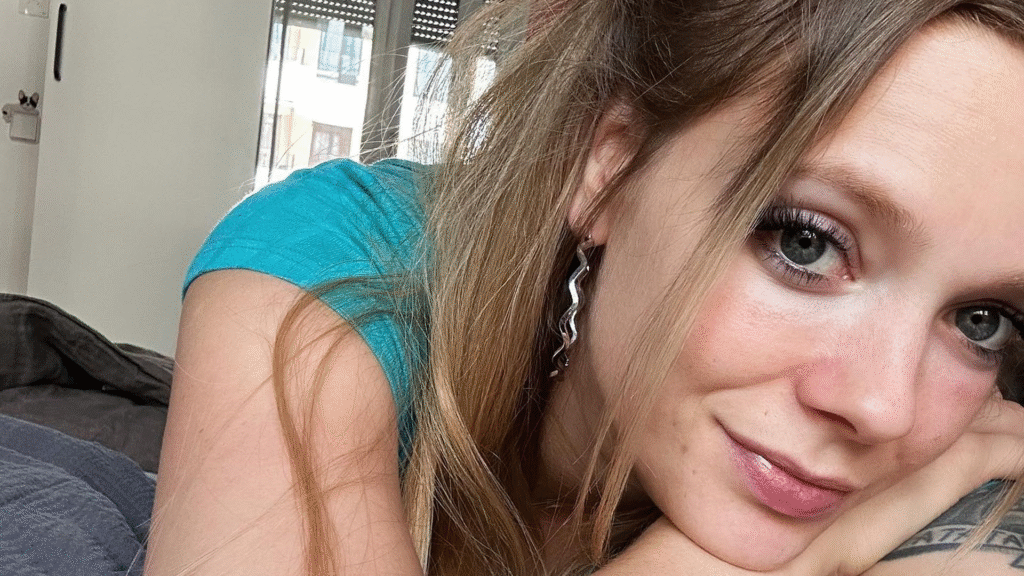
Her approach suggests a lifestyle that blends public performance, business activities and personal vulnerability. At the same time, it raises questions about boundaries: between privacy and publicity, authenticity and branding, rest and production.
Net Worth
While precise figures can be hard to verify, Anne Wünsche has disclosed in media that she earns significant monthly income from her content ventures. In March 2025 she stated she earns around €40,000 per month on average and in one month even about **€60,000 **.
Her income sources include sponsored social-media posts, her YouTube channel, possibly subscription-based content services, and entrepreneurial projects. The “Anne Wünsche Fapello” connection (explicit or speculative) might reflect an alternate revenue stream or highlight risk-management around monetising more exclusive or adult-oriented content. Overall her net worth underscores how influencer careers today can generate substantial earnings, provided the creator builds an engaged audience and diversifies income.
Recent Updates and Current Projects
Recently, Anne Wünsche has defended her lifestyle against criticism — publicly responding to detractors who say she flaunts luxury or neglects her family. For example she defended her travel and expenditure in June 2025.
She also continues to expand her brand: launching new content formats, product collaborations, and exploring platforms beyond the usual social-media channels. Her usage of Fapello-related discourse shows the evolving terrain of influencer monetisation — and potentially a willingness to engage (or at least navigate) discussions around more exclusive or adult-targeted content platforms. Her current focus seems to be on maintaining authenticity while scaling her business and managing public perception in a rapidly shifting digital environment.
Future Goals and Plans
Looking ahead, Anne Wünsche appears poised to further solidify her brand, expand her entrepreneurial ventures and perhaps redefine what it means to be an influencer-parent in the digital age. She may explore new platforms, deepen monetisation strategies and expand her reach beyond Germany.
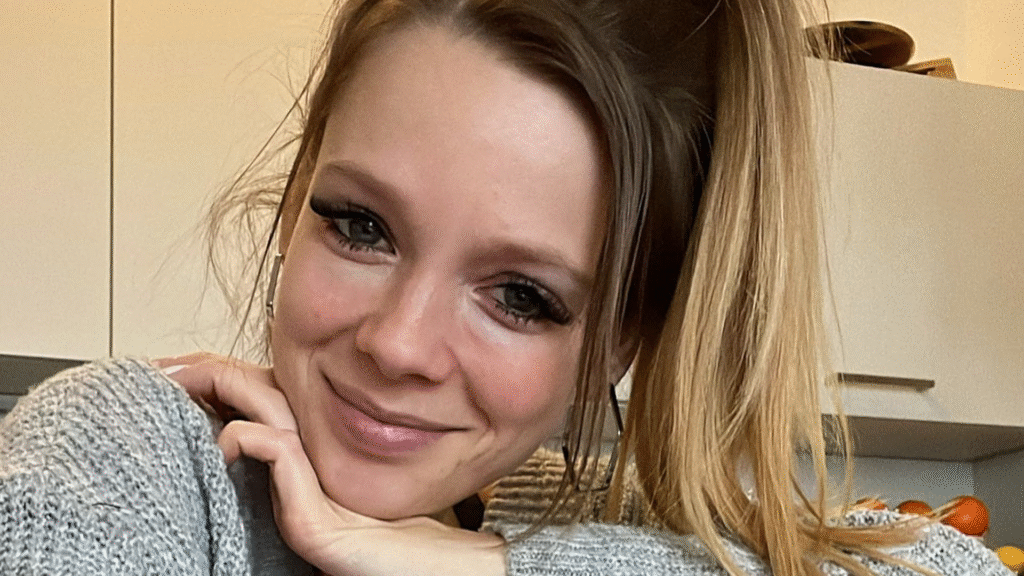
She also faces the challenge of balancing fame with privacy: the “Anne Wünsche Fapello” keyword reminds us that public figures must not only create content, but protect their image, avoid unwanted leaks, and navigate complex ethical terrain. Her future goals might therefore include building stronger protective frameworks for her digital content, emphasising transparency and control, and leveraging her experience to become a voice in influencer ethics and digital self-determination.
Conclusion
In summary, the story of Anne Wünsche (and the associated keyword “Anne Wünsche Fapello”) offers an instructive case study in modern influencer culture. From her early days on television to her current role as a multi-platform creator, she has achieved notable success, built a strong personal brand and navigated both opportunity and controversy.
At the same time, her journey reminds us of the evolving dynamics of digital content: the ways platforms like Fapello raise questions about control, consent and monetisation; the pressures of public visibility; and the balancing act of personal life, business and public image. Whether one follows her story as a fan, a critic or a media analyst, Anne Wünsche’s path underscores the broader shift in how fame, commerce and identity intersect in the online era.
About the Author